From “Tool of Light” to “Art of Light”
Light — It is both science and poetry.
Recessed Lighting: The “Infrastructure” of Light and Atmosphere Master.
Philosophy: Advocates “seeing the light, not the fixture.” Light itself is the protagonist, while fixtures remain hidden supporting actors. It focuses on how light serves space, function, and human emotion.
Advantages:
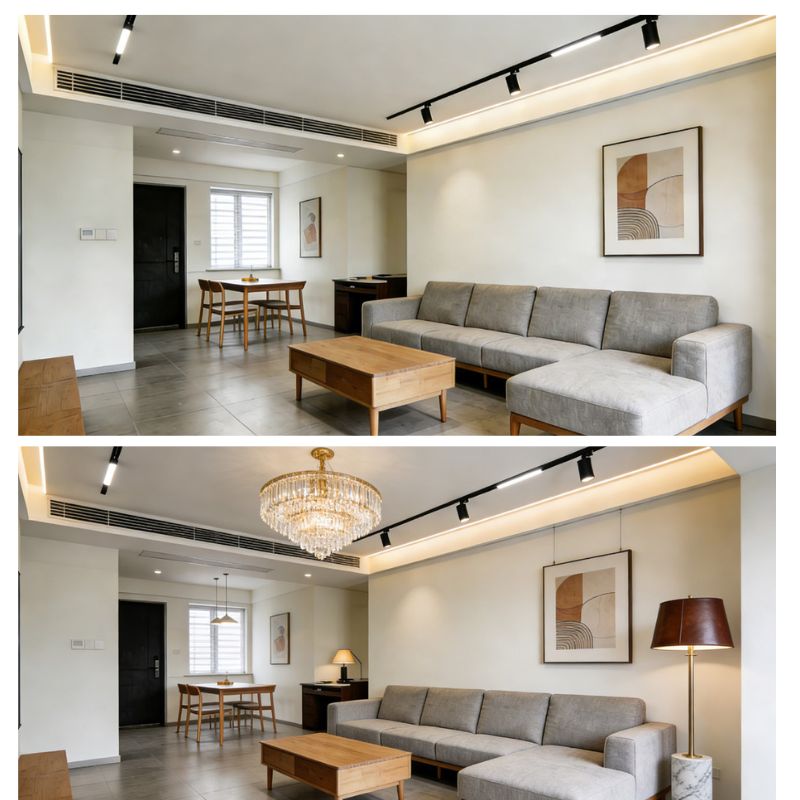
Ultimate functionality: Through combinations of downlights, spotlights, magnetic tracks, and light strips, it achieves precise zoning, accent lighting, and wall-washing effects, eliminating dark corners and visually enhancing ceiling height.
High flexibility: Lighting modes can be switched according to scenarios (e.g., entertaining, movie-watching, reading), creating immersive atmospheres.
Versatile style compatibility: The perfect companion for styles that emphasize spatial structure and texture, such as minimalism, modern, and wabi-sabi, making spaces more refined.
Challenges: High design challange, requiring precise pre-planning; improper execution may lead to flat lighting or excessive glare; can appear somewhat “cold,” lacking visual focus and emotional warmth.
Decorative Lighting: The “Emotional Sculpture” and Visual Focal Point of Space.
Philosophy: The fixture itself is a work of art, a crucial chapter in the narrative of space. It is not merely a light source but also décor, a symbol, and an embodiment of emotion.
Advantages:
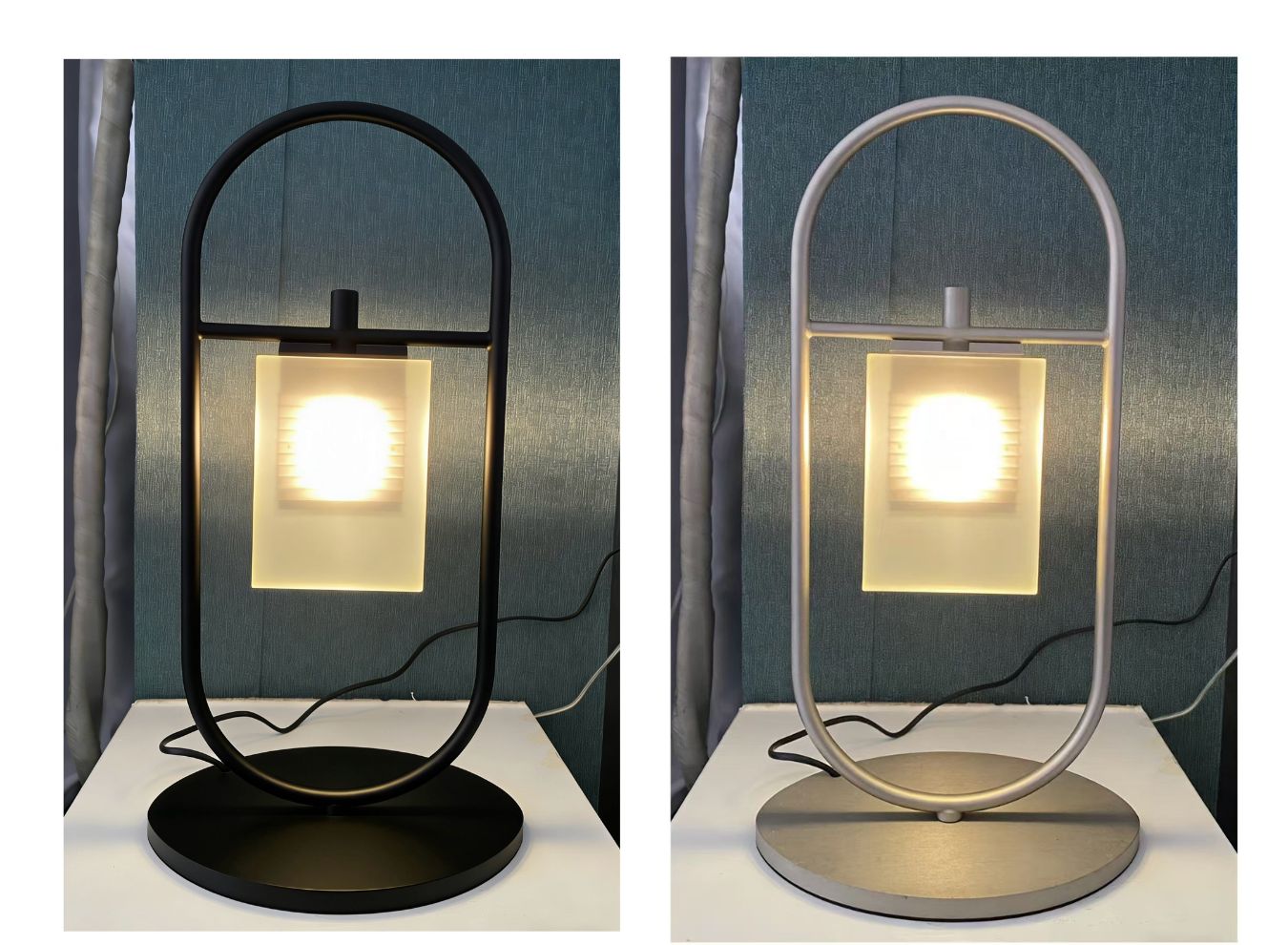
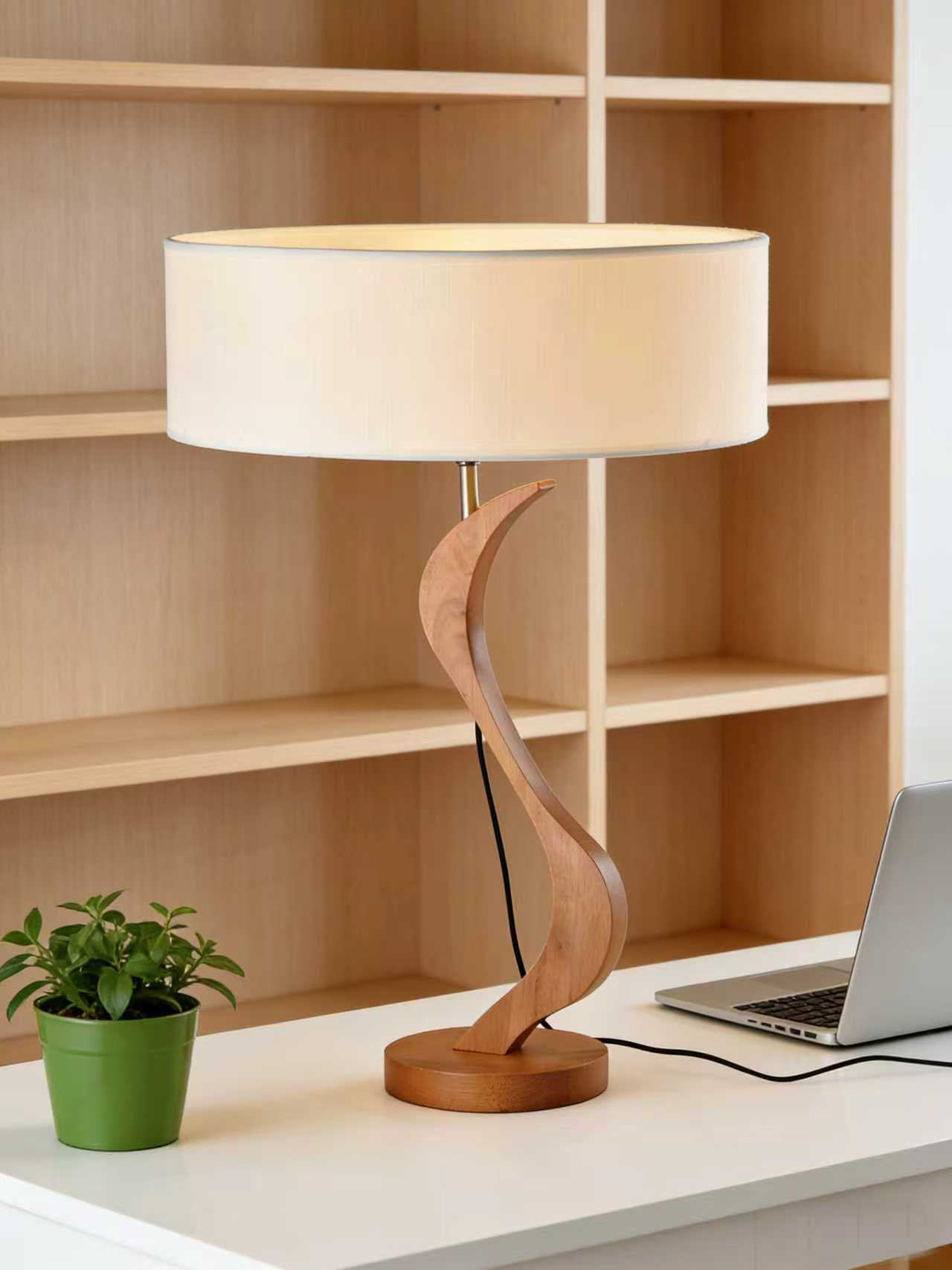
Strong decorative appeal: A unique chandelier, table lamp, floor lamp, or wall lamp can instantly define a space’s style (vintage, luxurious, artistic), serving as a visual anchor.
Powerful emotional expression: The shape, material, and color of the fixture directly convey emotions—such as the grandeur of a crystal chandelier, the coziness of a fabric-shaded lamp, or the industrial feel of a metal lamp.
Ease of installation and adjustment: No complex wiring required; fixtures can be replaced at any time, bringing novelty to the space.
Challenges: May sacrifice some uniformity and functionality of illumination; poor design can make spaces feel visually lowered or cluttered; cleaning and maintenance can be more complicated.
Decorative lighting brings the feeling of home and adds warmth to a space.